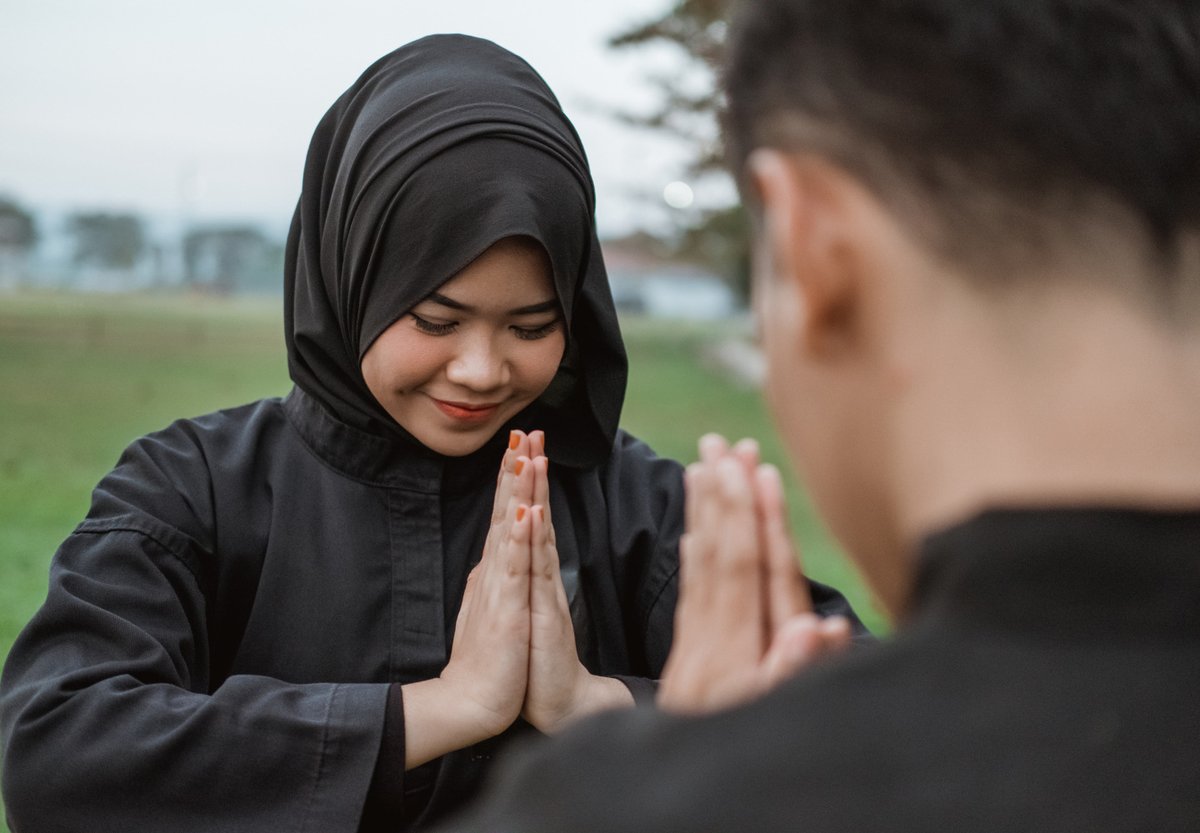
Our world moves fast, and often, it feels like our traditions are caught in the wake. But what if those time-honored practices aren't just enduring; what if they're actively transforming? This isn't about rituals vanishing; it's about Modern Adaptations & Cultural Impact, breathing new life into ancient customs, making them relevant, inclusive, and deeply resonant for today's diverse societies. Think of it not as a compromise, but as a dynamic conversation between the past and the present, shaping the future of our shared human experience.
At a Glance: The Evolving Heart of Tradition
- Traditions are Living: They're not static relics but dynamic systems constantly reinterpreting themselves.
- Driven by Change: Societal values (like equality, diversity), technology, migration, and cultural exchange are key catalysts for adaptation.
- More Than Cosmetic: Adaptations alter practices, symbolism, and even core meanings to stay relevant.
- Technology's Role: Virtual events, live-streaming, and social media make rituals accessible and global, but also redefine participation.
- Syncretism Enriches: The blending of traditions fosters new practices that honor multiple heritages.
- Balancing Act: Modern adaptations navigate the tension between preserving authenticity and embracing innovation.
- You're an Agent: Individuals and communities actively shape this evolution through their choices.
Why Traditions Don't Just Stand Still
You might imagine traditions as unchanging pillars, passed down perfectly from generation to generation. The truth is far more fascinating. Traditions are living entities, akin to a language or a powerful river. They flow, they shift course, they pick up new currents, and sometimes, they carve entirely new paths, all while retaining their fundamental essence. This constant evolution is a sign of vitality, not decay, ensuring they remain meaningful in an ever-changing world.
This reinterpretation of traditional rituals and ceremonies to fit contemporary contexts isn't a new phenomenon, but its pace and breadth have accelerated dramatically. These modern adaptations involve changes in practice, symbolism, and meaning, making rituals more relevant while retaining their core significance. They often reflect profound shifts in societal norms, showcasing a collective desire for inclusivity, equality, and diversity that earlier generations might not have prioritized or even conceived.
The Seismic Shifts Driving Adaptation
So, what exactly compels a cherished tradition to change? Several powerful forces are at play, reshaping the cultural landscape around us.
Shifting Societal Values: The Push for Inclusivity
Perhaps the most significant driver of modern adaptations is the ongoing evolution of our societal values. As communities increasingly embrace principles like gender equality, multiculturalism, and diverse identity, traditional rituals often find themselves needing to catch up.
Consider wedding ceremonies: once largely prescriptive, they now frequently incorporate gender-neutral roles, allowing for broader participation regardless of gender. You'll see brides and grooms walking down the aisle together, or both sets of parents offering blessings. Similarly, multicultural weddings beautifully weave together diverse cultural practices—perhaps a traditional Indian sangeet followed by a Western white dress ceremony, or a Buddhist blessing alongside a Christian hymn. These aren't just aesthetic choices; they are deliberate acts of inclusion, reflecting a couple's shared heritage and their commitment to a more equitable union. These adaptations promote a deeper sense of belonging and relevance for all participants.
Technology: The Great Connector (and Changer)
The digital age has proven to be an unparalleled catalyst for ritual adaptation. Technology influences adaptations by facilitating virtual participation and enhancing accessibility. For instance, live-streaming services have become commonplace for weddings, funerals, religious ceremonies, and even coming-of-age rituals, allowing loved ones separated by geography or circumstance to participate in real-time. This ensures that traditions remain relevant even in a digital-first world, broadening their reach far beyond physical limitations.
Social media, too, plays a pivotal role. Platforms enable communities to share, reinterpret, and even crowdsource new elements for traditional events. Online memorial pages, virtual prayer groups, and digital festivals are now common, creating new forms of communal engagement that simply didn't exist a few decades ago. While some might debate the "authenticity" of a virtual experience, the ability to connect and share moments of cultural significance is undeniable. We are truly seeing the powerful role technology plays in shaping our traditions.
Migration and Intercultural Exchange: The Blending Pot
Human history is a story of movement, and migration is a constant engine of cultural change. When people move, their traditions travel with them, encountering and interacting with new environments and other cultures. This often leads to a blending of traditions and the emergence of hybrid customs, a process known as cultural syncretism.
Cultural syncretism impacts adaptations by merging various traditions into new practices. A classic example is the California roll, an adaptation of Japanese sushi that incorporates avocado and is turned inside-out to appeal to Western palates. While not a ritual, it perfectly illustrates how culinary traditions evolve through intercultural exchange. Similarly, in many diasporic communities, traditional festivals might integrate elements from their new home, honoring multiple heritages and fostering community understanding and appreciation. Think of an Irish St. Patrick's Day parade incorporating elements of local multiculturalism in a major American city, or a Lunar New Year celebration in Paris that blends French cultural touches. This blending not only preserves cultures but enriches them, making them more resilient and universally appealing. To better grasp these shifts, it's helpful to spend some time understanding how cultures evolve.
How Adaptations Manifest: From Practice to Symbolism
Modern adaptations aren't just surface-level tweaks; they can involve deep changes that redefine how we understand and experience tradition.
Rethinking Ritual Practices
The most obvious form of adaptation lies in the practical execution of a ritual. This could be as simple as changing the venue for a ceremony – from a temple to a forest clearing, or from a family home to a community center. It might involve modifying the timing or duration, perhaps shortening a lengthy traditional ceremony to fit modern schedules or extending a festival over a weekend to maximize participation.
Consider indigenous languages. Many are undergoing revitalization efforts through modern adaptations. Instead of solely relying on oral transmission, communities are utilizing digital technologies like apps, websites, and online courses for preservation and revitalization. This adaptation doesn't dilute the language; it strengthens its ability to survive and thrive in a digital age, ensuring its cultural significance endures.
Evolving Symbolism and Meaning
Beyond the practice, adaptations can subtly—or overtly—alter the symbolism and meaning of a ritual. A traditional symbol might be reinterpreted to hold a more inclusive message. For instance, ancient fertility symbols might be redefined to represent broader concepts of growth, creativity, or community prosperity, moving beyond narrow gender roles. A symbolic act of "sacrifice" might transform into an act of "giving back" or "community service," reflecting a shift from literal interpretation to metaphorical and ethical engagement.
These changes are often a direct response to a community's evolving ethical framework. As societal views on environmentalism, social justice, or human rights shift, the rituals that bind us begin to reflect these new moral compasses.
The Tension: Preserving vs. Innovating
This dance between old and new isn't always harmonious. Adaptations can create tension between preserving tradition and embracing innovation. This tension is often palpable, leading to passionate debates about authenticity.
The Authenticity Conundrum
When a tradition changes, the question inevitably arises: "Is it still authentic?" Some argue that any deviation from the original form dilutes its meaning or betrays its heritage. They fear the loss of original meanings and practices, leading to concerns about cultural erosion. This perspective often values the historical purity of a tradition, seeing it as a direct link to ancestors and an immutable cultural bedrock.
However, others contend that authenticity isn't about being static. For them, a tradition's true authenticity lies in its continued relevance and ability to resonate with current generations. If a tradition becomes rigid and inaccessible, it risks fading into obscurity. Adaptation, in this view, isn't a betrayal but a vital means of cultural preservation and transformation. It ensures that the tradition remains a living, breathing part of the community, capable of growth and renewed significance. This ongoing dialogue about what aspects to preserve and which to adapt is a healthy sign of a vibrant culture. Engaging in this conversation helps communities explore preserving heritage while embracing change.
The Human Element: Agents of Change
You, as an individual, play a crucial role in this ongoing process. Traditions don't evolve in a vacuum; they change because people choose to adapt them. Individuals act as agents of change by selecting which traditions to continue, how to practice them, and which new elements to incorporate. This ensures a democratic and organic adaptation process, far removed from top-down decrees.
Think about a family holiday tradition. Perhaps a new family member from a different cultural background brings their own customs to the table. The family might decide to blend these, creating a unique hybrid celebration that honors everyone's heritage. Or, a younger generation might question an outdated aspect of a ritual and collectively decide to modify it to better align with their contemporary values.
These choices, multiplied across communities, slowly but surely reshape the cultural landscape. It’s a testament to our collective agency and our power to define what "tradition" means for us, here and now. For instance, if you're exploring the timeless lessons embedded in narratives, you might find parallels in how classic stories, much like traditions, evolve and are reinterpreted across generations. Just as modern adaptations update rituals for contemporary understanding, sometimes stories like Explore the Three Little Pigs story are retold to reflect new cultural values or perspectives.
Practical Steps for Mindful Adaptation
So, if you or your community are considering adapting a tradition, how do you navigate this sensitive terrain effectively?
1. Understand the Core: What's Essential?
Before making any changes, engage in deep reflection. What is the fundamental purpose of this ritual? What core values, stories, or connections does it embody? Is it about remembrance, celebration, unity, spiritual connection, or a passage to a new life stage? Identify the non-negotiable elements that must remain for the tradition to retain its significance. This clarity will serve as your anchor.
2. Engage in Open Dialogue
Adaptation should ideally be a community-led process, not an individual dictate. Create safe spaces for open discussion. Invite elders, youth, newcomers, and different factions of your community to share their perspectives, concerns, and ideas. What do different generations want to see preserved? What feels outdated or exclusionary? This democratic approach ensures that changes are embraced, not imposed. Many communities thrive on community-led approaches to cultural adaptation.
3. Start Small, Test, and Observe
You don't need to overhaul everything at once. Consider making incremental changes first. Introduce a new element for a trial period, or modify a small part of the ritual. Observe how the community responds. Does it enhance engagement? Does it feel authentic and meaningful? Iterative adaptation allows for flexibility and reduces the risk of alienating those who prefer the original form.
4. Document and Communicate the "Why"
When changes are made, articulate the reasons clearly. Explain why an adaptation was necessary and how it helps the tradition remain relevant or inclusive. Document these discussions, perhaps creating a community archive of "living traditions" that explains their evolution. This transparency helps mitigate resistance and fosters a sense of shared ownership.
5. Balance Innovation with Respect
While embracing new ideas, always do so with deep respect for the tradition's origins and its historical significance. Adaptations should ideally enrich, not diminish. They should build bridges to the past while confidently stepping into the future. It's about evolution, not abandonment.
Addressing Common Misconceptions
Let's tackle a few common concerns that often arise when discussing modern adaptations.
Misconception #1: Adaptation means abandoning tradition.
Reality: Adaptation is often the key to preservation. Traditions that refuse to adapt risk becoming irrelevant, practiced by fewer people, and eventually fading away. By adapting, they find new ways to connect with contemporary audiences, ensuring their survival and continued vibrancy. Think of a seed. To grow, it must change from a seed to a sprout, then a plant. It doesn't abandon its "seedness"; it expresses its potential.
Misconception #2: Only "new" cultures adapt; established ones are static.
Reality: All cultures, regardless of age or perceived stability, are constantly evolving. Even the most ancient and seemingly unchanging traditions have adapted over centuries in response to climate, conquest, trade, and social reform. The pace of change might differ, but the process of adaptation is universal to the human experience.
Misconception #3: Technology makes rituals less spiritual or meaningful.
Reality: Technology is a tool. Its impact depends entirely on how it's used. A virtual memorial service can be profoundly meaningful for someone unable to travel, offering comfort and connection. Live-streamed religious services can reach broader congregations, fostering community across geographical divides. While the mode of participation changes, the intention and spiritual impact can remain just as potent. It simply offers an alternative pathway to meaning.
Looking Ahead: The Future is Fluid
The landscape of rituals and traditions will continue to shift. As global interconnectedness deepens and societal values continue to evolve, we can expect even more innovative and surprising adaptations. The increasing urgency of environmental concerns, for example, might lead to "green" rituals that prioritize sustainability and connection to nature. Artificial intelligence could even play a role in crafting personalized rituals, though this brings its own set of ethical considerations.
What remains clear is that the human need for ritual – for meaning-making, connection, and celebrating life's milestones – is enduring. Modern adaptations ensure that this fundamental need can be met in ways that resonate with each generation. They are a powerful testament to our creativity, resilience, and our capacity to find common ground between what was, what is, and what will be. Exploring this dynamic relationship helps us imagine the fascinating future of rituals.
Your Role in a Living Tradition
Ultimately, the power of modern adaptations lies in their ability to keep traditions alive, relevant, and meaningful for you and your community. Instead of viewing change as a threat, consider it an opportunity – an invitation to engage, to question, and to contribute to the rich tapestry of human culture.
Ask yourself:
- What traditions do I cherish, and why?
- How might these traditions be adapted to be more inclusive or relevant to my life and my community today?
- What small steps can I take to participate in this ongoing conversation?
Whether you're celebrating a holiday, marking a life event, or simply engaging in a daily ritual, you have the power to shape its future. By embracing thoughtful adaptation, you're not just preserving the past; you're actively building a vibrant, meaningful cultural future for everyone.