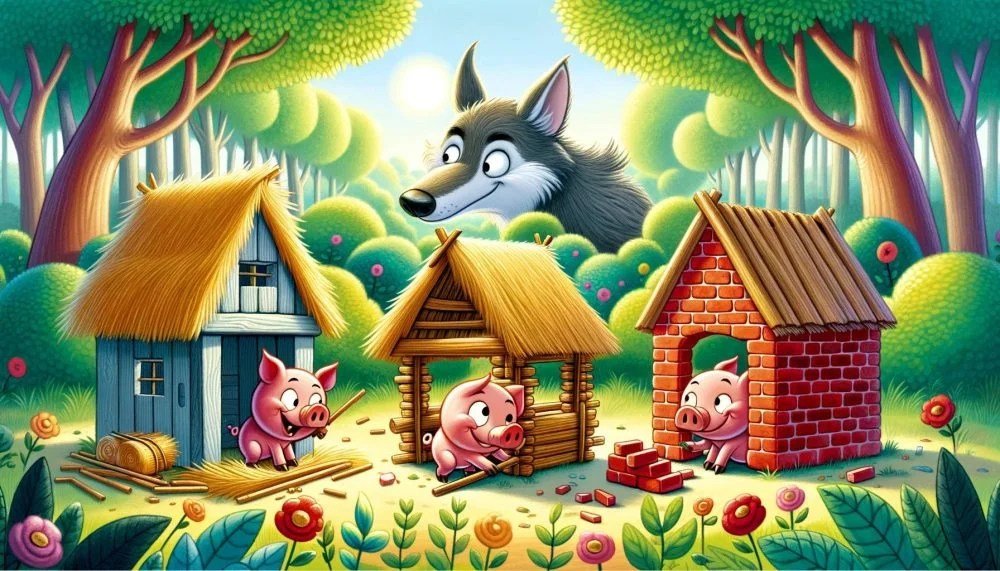
The story of the Three Little Pigs isn't just a bedtime classic; it's a profound masterclass in the Moral Lessons & Values from The Three Little Pigs, echoing wisdom that's as relevant today as it was centuries ago. Beneath its charming surface lies a bedrock of principles about hard work, foresight, and resilience that can guide our personal and professional lives.
From making smart choices about our careers to building lasting relationships, the simple narrative of three porcine brothers facing a huffing, puffing adversary offers surprisingly sophisticated guidance. It reminds us that while instant gratification can be tempting, true security and success often demand patience, effort, and a healthy dose of strategic planning.
At a Glance: Timeless Truths from the Pig Pen
- Diligence Pays Off: Hard work and careful planning build a foundation that endures.
- Shortcuts Lead to Setbacks: Easy answers often crumble under pressure, requiring more effort in the long run.
- Foresight is Your Best Defense: Anticipating problems allows you to prepare and protect what matters.
- Resilience is Key: Even when things go wrong, adapting and seeking stronger solutions is crucial.
- Quality Over Quantity: Investing time and resources into robust solutions yields superior, lasting results.
- Intelligence Triumphs Over Brute Force: Smart problem-solving can overcome overwhelming threats.
Why a Simple Fable Still Shapes Our Worldview
For generations, "The Three Little Pigs" has captivated imaginations, but its enduring power isn't just in its catchy lines or anthropomorphic characters. It's in the way it distills complex human experiences into an accessible, memorable narrative. It's a fable that helps us understand the consequences of our actions, the value of preparation, and the ultimate reward of persistence.
Think about it: from building a career to managing finances, from raising a family to tackling a complex project at work, the same choices confront us daily. Do we opt for the quick, easy solution, or do we invest the time and effort to build something strong and sustainable? The story provides a compelling framework for these real-world dilemmas, making it a foundational text for understanding personal responsibility and the journey toward true security.
The Blueprint for Success: Diligence and Foresight
At the heart of the tale is the third little pig, a character often seen as the embodiment of prudence. While his brothers prioritize leisure, he understands that true freedom comes from diligent effort and thoughtful preparation. His choice to build a house of bricks wasn't just about materials; it was about a mindset.
The Brick House Philosophy: Investing in Quality
The brick house represents an investment—an investment of time, energy, and resources. It wasn't built overnight. It required planning, careful construction, and a clear understanding of its purpose: to withstand the threats of the outside world. This isn't merely about physical strength; it's a metaphor for building anything of lasting value in your life.
Consider a student who crams for an exam versus one who studies consistently throughout the semester. Or an entrepreneur who launches a product without market research versus one who meticulously plans and tests. In each scenario, the "brick house" approach—the commitment to quality and thoroughness—yields a far more robust and successful outcome. The third pig's diligence wasn't just about avoiding immediate danger; it was about laying a foundation for long-term peace of mind. This consistent effort, often unseen and unglamorous, is what ultimately sets individuals apart, demonstrating the undeniable power of diligence.
Beyond Bricks and Mortar: Applying Diligence in Life
The lessons extend far beyond construction. Diligence manifests in various aspects of a well-lived life:
- Financial Planning: Consistently saving, budgeting, and making informed investment choices builds a financial "brick house" against economic storms.
- Health and Wellness: Regular exercise, balanced nutrition, and preventative care are the "bricks" that construct a resilient body and mind.
- Skill Development: Mastering a new language, instrument, or professional skill requires steady, incremental practice, not last-minute cramming.
- Relationship Building: Nurturing relationships with consistent communication, empathy, and support creates strong, lasting bonds that can weather any conflict.
In every case, the "brick house" is a metaphor for a life built on solid principles and consistent effort. It's a testament to the belief that the best things in life aren't rushed; they're carefully constructed, brick by painstaking brick.
The Price of Shortcuts: When Easy Leads to Disaster
The first two pigs, in their haste for immediate gratification, offer cautionary tales. Their homes, built quickly and with minimal effort, symbolize the allure of shortcuts and the predictable consequences when faced with real pressure.
The Straw House: A Foundation of Fluff
The first pig's house of straw represents the ultimate shortcut. It's fast, it's easy, and it allows for maximum play. But what happens when the "wolf"—any significant challenge or problem—arrives? It crumbles. This isn't just about poor building materials; it's about a lack of foresight and a misunderstanding of what truly constitutes security.
We see this played out in many areas:
- Quick-Fix Diets: Promising rapid weight loss, these often lead to unsustainable habits and eventual rebound.
- "Get Rich Quick" Schemes: Tempting with effortless wealth, they typically result in financial loss and regret.
- Procrastination: Delaying essential tasks for immediate pleasure often leads to rushed, subpar work and increased stress when deadlines loom.
The straw house isn't just weak; it's a symbol of a worldview that prioritizes ease over sustainability, a choice that inevitably leads to vulnerability.
The Stick House: Better, But Not Enough
The second pig's house of sticks offers a slight improvement. It requires a bit more effort than straw but still lacks the fundamental strength needed. This highlights another critical moral: sometimes, a partial effort or a slightly better shortcut isn't enough to withstand serious adversity.
Many people fall into this trap. They might put in some effort but stop short of what's truly necessary for robust outcomes. Perhaps they start a project with good intentions but cut corners on crucial details. They might budget a little but still overspend significantly. This "good enough" mentality, while seemingly more responsible than the first pig's outright laziness, still leaves one exposed to significant risks. The true cost of taking shortcuts isn't just about immediate failure; it's about the continued vulnerability that stems from insufficient planning and effort.
The Trap of Instant Gratification
Both the straw and stick houses are products of the desire for instant gratification. The pigs wanted to play, to relax, to enjoy themselves now, rather than putting in the hard work for a secure later. This human tendency is a powerful driver, but the story starkly illustrates its potential pitfalls. While it's important to enjoy life, deferring gratification for essential tasks is a hallmark of maturity and a key predictor of long-term success. Learning to resist the allure of the easy path is one of the story's most profound and challenging lessons.
Anticipating Adversity: The Power of Strategic Planning
The third pig's wisdom extends beyond just building strong walls. He demonstrates an even more crucial lesson: anticipating future problems and planning proactively. His readiness for the wolf's attempts to enter via the chimney showcases a level of strategic thinking that transforms mere defense into intelligent offense.
Outsmarting the Wolf: More Than Just Strong Walls
The wolf's inability to blow down the brick house is a testament to its structural integrity. But the third pig's response to the wolf's chimney maneuver elevates his character from merely diligent to truly intelligent. He doesn't just build well; he thinks well. He considers the wolf's likely next move and prepares a solution before the threat materializes.
This isn't just about reacting to problems; it's about anticipating them. It's the difference between merely having a strong foundation and having a robust emergency plan. In the business world, this is risk management and strategic forecasting. In personal life, it's having an emergency fund, understanding potential health risks, or planning for unexpected career changes. This foresight demonstrates how strategic planning can safeguard your future against unforeseen challenges.
Thinking Ahead: Practical Steps for Proactive Living
How can we cultivate this "third pig" foresight in our own lives?
- Scenario Planning: What are the potential "wolves" in your life—financial downturns, health issues, job loss, relationship conflicts? Brainstorm worst-case scenarios and develop contingency plans.
- Resource Allocation: Just as the third pig used his resources (bricks, labor) effectively, consider where your time, money, and energy are best invested for future security and growth.
- Learning from Others' Mistakes: Observe what makes others vulnerable. The first two pigs' failures served as a real-time lesson for the third pig, even if he didn't need it. Learn from case studies, mentors, and history.
- Building Redundancy: Having backups, multiple income streams, or diverse skill sets creates layers of protection, much like an additional defense against a determined adversary.
Proactive planning isn't about living in fear; it's about living with confidence, knowing you've considered potential challenges and prepared for them.
Building Resilience: Learning from Setbacks
Even the well-meaning and diligent can face unexpected challenges. The story subtly teaches us about resilience, not just in the third pig's steadfastness, but also in the desperate flight of his brothers.
The Retreat to Safety: Adapting When Plans Fail
When the straw and stick houses crumble, the first two pigs don't give up. They flee to the next available shelter. This demonstrates a crucial aspect of resilience: the ability to adapt, to seek safety, and to learn from failure. While their initial choices were poor, their instinct to survive and seek help from their wiser brother is commendable.
In life, this means:
- Admitting Mistakes: Recognizing when a plan or approach isn't working is the first step toward correcting course.
- Seeking Support: Don't be afraid to ask for help from those who are more experienced, prepared, or simply offer a safe haven.
- Pivoting: Sometimes, a complete change of strategy is necessary. The pigs didn't try to rebuild their flimsy homes; they moved to a stronger solution.
The Collective Strength: How Support Systems Matter
The brick house doesn't just protect the third pig; it becomes a sanctuary for all three. This highlights the power of community and mutual support, even if it's born out of necessity. When one individual builds something strong and secure, it can provide a safety net for others who may have been less prepared.
This speaks to the broader societal benefit of diligence and foresight. A community where individuals take responsibility and build strong foundations creates a more resilient whole. Furthermore, the pigs' experience together inside the brick house implicitly suggests a shared learning process. The first two pigs, having faced the direct consequences of their shortcuts, undoubtedly gained a new appreciation for their brother's wisdom. This shared experience underscores strategies for overcoming challenges with resilience not just individually, but collectively.
Cultivating a "Third Pig" Mindset: Practical Takeaways
The moral lessons from "The Three Little Pigs" aren't abstract; they offer tangible guidance for navigating modern life. Adopting a "third pig" mindset means making conscious choices that prioritize long-term security and success over fleeting comforts.
For Personal Growth
- Embrace the Process, Not Just the Outcome: Focus on the effort, consistency, and learning involved in any endeavor, not just the final result. Understanding that the journey itself builds strength makes challenges less daunting.
- Prioritize Quality Over Speed: Whether it's a personal project, a new skill, or a significant life decision, take the time to do it well. Rushing often leads to mistakes and future rework.
- Develop a Proactive Stance: Don't wait for problems to emerge. Regularly assess potential risks, plan for contingencies, and take preventative measures. A little foresight today can save a lot of heartache tomorrow.
For Professional Success
- Strategic Project Planning: Before diving into tasks, dedicate time to thorough planning, resource assessment, and risk identification. A well-constructed project plan is your professional brick house.
- Robust Risk Management: Identify potential threats to your business or career—market shifts, technological disruptions, talent gaps—and develop strategies to mitigate them. Don't assume everything will always go smoothly.
- Continuous Learning: The professional landscape is constantly changing. Invest in continuous learning and skill development to build a resilient career foundation that can adapt to new challenges and opportunities.
For Raising Children
- Teaching the Value of Effort: Help children understand that significant achievements require consistent effort, not just talent. Praise their perseverance, not just their intelligence.
- Encouraging Thoughtful Decision-Making: Guide them to think through the consequences of quick choices versus more deliberate ones. Use everyday scenarios to illustrate the "straw house" versus "brick house" outcomes.
- Fostering Problem-Solving Skills: Instead of immediately providing answers, empower children to anticipate challenges and devise solutions, just as the third pig did with the boiling water. This teaches critical thinking and self-reliance.
By applying these principles, we don't just mimic the third pig; we embody his wisdom, making smart choices for long-term gain and building lives that are truly resilient and secure. This active engagement in our own future is about making smart choices for long-term gain.
Common Misconceptions About the Tale
While "The Three Little Pigs" is universally known, some common misinterpretations can obscure its deeper moral teachings.
- "It's just a kids' story."
This dismissive view overlooks the sophisticated psychological and philosophical underpinnings of fables. They are designed to teach fundamental truths about human nature and the world in a memorable, accessible format. Just like Aesop's Fables, this story provides profound lessons for adults wrestling with responsibility, risk, and reward. - "The wolf is pure evil, a caricature."
While the Big Bad Wolf is certainly antagonistic, he also serves as a potent symbol of life's inevitable challenges, threats, and adversities. These "wolves" can take many forms: economic downturns, health crises, competitive pressures, or personal failures. The story teaches us not just to fear the wolf, but to prepare for its arrival. - "The first two pigs were just lazy and stupid."
While their choices were unwise, labeling them solely as "lazy and stupid" might miss a nuance. They could also be seen as naive, inexperienced, or simply focused on immediate pleasure without understanding long-term consequences. Their journey serves as a powerful illustration of learning through consequence, a universal human experience. They learn, quickly, the folly of their ways when confronted with real danger.
Beyond the Bricks: A Timeless Call to Action
The enduring appeal of "The Three Little Pigs" isn't merely in its charm; it's in its timeless, actionable wisdom. It’s a clear reminder that the path to genuine security and success is rarely the easiest one. It requires foresight, patience, and a willingness to invest effort when others might seek shortcuts.
So, as you go about your day, consider the lessons from those three little pigs. Are you building a house of straw, sticks, or solid bricks? Are you anticipating the "wolf" and preparing intelligently, or hoping for the best? The choices you make today—big or small—are the bricks and mortar of your future. Embrace the wisdom of the third pig, and build a life that stands strong, no matter how hard the winds blow.
For a deeper dive into the original narrative and its cultural impact, you can always Explore the Three Little Pigs tale.