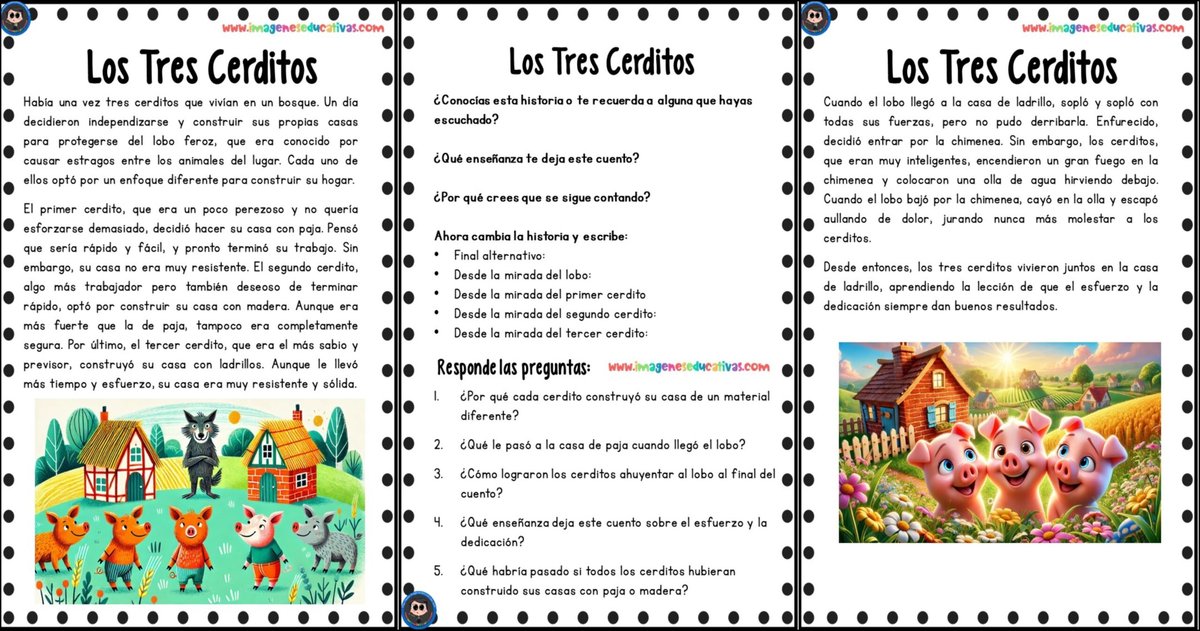
Few tales in the global literary canon resonate as universally as that of "Los Tres Cerditos," or "The Three Little Pigs." This deceptively simple narrative & origins of Los Tres Cerditos serve as a foundational lesson, a cautionary fable, and a testament to the power of preparation. From its humble folk origins to its modern satirical takes, this story has continuously adapted, reflecting the values and anxieties of its time while retaining its core message.
It’s more than just a children's story; it's a cultural touchstone that speaks to resilience, foresight, and the consequences of cutting corners. Let's peel back the layers of this enduring narrative, exploring its classic arc, profound lessons, and fascinating evolution.
At a Glance: The Enduring Wisdom of Los Tres Cerditos
- A Classic Fable: Follows three pig brothers who build homes and face a persistent wolf.
- Three Personalities, Three Houses: Laziness (straw), partial effort (wood), and diligence (brick) determine each pig's fate.
- The Wolf's Persistence: The antagonist tries to blow down houses, highlighting the need for robust solutions.
- Morality Tale: Emphasizes hard work, foresight, and prudence over quick fixes.
- Evolving Versions: From Joseph Jacobs' darker original to Disney's popular adaptation and modern parodies, the story has many faces.
- Lasting Impact: Continues to teach crucial life lessons about planning, safety, and mutual support.
The Timeless Blueprint: Unpacking the Core Narrative
At its heart, "Los Tres Cerditos" is a straightforward yet powerful allegory. The story begins, as many fables do, with a rite of passage: a mother pig sending her three offspring out into the world to build their own lives and, crucially, their own homes. This initial command sets the stage, underscoring the universal need for independence and security.
Architectural Decisions and Character Reveals
The differing approaches of the three brothers immediately establish the story's core conflict between effort and expediency.
- The First Pig's Quick Fix: Impatient and eager to play, the first little pig chooses the path of least resistance. His house of straw is built in a flash, requiring minimal effort. This choice perfectly embodies a "get it done now" mentality, prioritizing immediate gratification over long-term security.
- The Second Pig's Middling Effort: A step up from his laziest brother, the second pig invests slightly more time and energy. His house of wood is quicker to erect than a brick structure but offers more protection than straw. He represents those who seek a balance between efficiency and a modicum of safety, often settling for "good enough."
- The Third Pig's Prudent Construction: The third pig, however, is the epitome of diligence and foresight. He understands that true security demands substantial effort and careful planning. He meticulously builds a robust, solid house of brick, investing considerable time and energy, knowing it will stand strong against potential threats. This pig isn't just building a house; he's building a fortress for his future.
When the Big Bad Wolf Comes Calling: A Predator's Persistence
The stage is set for the inevitable encounter with the story's antagonist: the Big Bad Wolf. Portrayed as ferocious and relentless, the wolf symbolizes the external challenges and dangers that life inevitably throws our way.
- Straw House Demolished: The wolf's first target is the straw house. With a mighty huff and a puff, he easily blows it down. The terrified first pig flees to the relative safety of his brother's wooden home, learning a swift, if painful, lesson about the inadequacy of shortcuts.
- Wooden House Crumbles: Undeterred, the wolf pursues them. He blows down the wooden house, proving that even a moderate effort might not be enough against determined adversity. Both pigs, now genuinely fearful, rush to their diligent brother's brick abode.
- Brick House Stands Strong: Here, the narrative reaches its pivotal moment. The wolf huffs and puffs with all his might, but the brick house remains unshaken. The third pig's hard work pays off, offering an impenetrable sanctuary.
- A Fiery Retreat: Frustrated but not defeated, the wolf attempts a stealthier approach, trying to enter through the chimney. But the third pig, ever the strategist, has anticipated this move. He prepares a roaring fire with a pot of boiling water directly beneath the chimney. The wolf plunges into the scalding water, suffering a severe burn, and flees in agony, never to bother the pigs again.
Beyond the Bricks: Unpacking the Story's Core Lessons
The narrative of "Los Tres Cerditos" is far more than an entertaining tale; it's a rich tapestry of moral and practical lessons that have resonated for centuries. The story's enduring popularity lies in its clear, relatable illustration of universal truths about effort, safety, and community. Indeed, many of these insights are foundational, echoing advice you might find in guides on The Three Little Pigs as a timeless resource.
The Morality of Diligence and Foresight
The primary "moraleja" or moral of the story is an unequivocal endorsement of hard work, dedication, and foresight.
- No Shortcuts to Lasting Security: The quick construction of the straw and wooden houses offers immediate ease but leads to inevitable vulnerability. The story teaches that true, lasting security comes from investing time and energy into doing things right from the outset, even if it feels like the harder path. It’s a powerful argument against procrastination and superficial effort.
- The Power of Prudence: The third pig's meticulous planning, from choosing durable materials to anticipating the wolf's chimney entry, highlights the immense value of prudence. Thinking ahead, considering potential risks, and preparing for them are presented as essential ingredients for success and safety.
- Rewarding Effort: While the first two pigs suffer losses and fear, the third pig enjoys the fruits of his labor: peace, safety, and the satisfaction of knowing he built something robust. This reinforces the idea that genuine effort yields durable rewards.
The Value of Planning and Mutual Support
Beyond individual effort, the story subtly champions other critical values:
- Strategic Planning: The third pig isn't just strong; he's smart. His actions demonstrate that strategic planning isn't merely about building; it's about problem-solving and outsmarting adversity. His preparation for the wolf's chimney descent is a masterclass in anticipating threats.
- The Dangers of Complacency: The first two pigs, initially confident in their flimsy homes, learn the hard way that complacency can be dangerous. The wolf serves as a stark reminder that threats can emerge, and preparation is the only reliable defense.
- Collaboration and Community: While the pigs initially act independently, the flight of the first two to their brother's house underscores the importance of mutual support and solidarity in times of crisis. When individual efforts fail, a strong, well-prepared community (even if just a single, fortified home) can provide refuge.
From Folklore to Film: How 'Los Tres Cerditos' Evolved
One of the fascinating aspects of "Los Tres Cerditos" is its fluid nature. Like many traditional tales, it has been retold, reimagined, and reinterpreted countless times, reflecting evolving cultural norms and storytelling preferences. This dynamic evolution is what makes the narrative & origins of Los Tres Cerditos so rich.
The Darker, Original Threads: Joseph Jacobs (1890)
The version most commonly cited as a definitive early text is Joseph Jacobs' 1890 rendition in "English Fairy Tales." This version is notably darker than what many modern readers might recall, especially those familiar with Disney's adaptation.
- A Gruesome Fate: In Jacobs' telling, the wolf is far more successful in his predation. He does eat the first two pigs after blowing down their houses. This stark consequence powerfully reinforces the moral lessons about diligence and the dangers of laziness, leaving no room for ambiguity.
- The Wolf's End: The wolf's demise in Jacobs' version is also final and fatal: he falls into the boiling pot and is cooked, becoming dinner for the third pig. This uncompromising ending emphasizes the ultimate triumph of good over evil and the decisive defeat of the antagonist. This version served as a grim warning, reflecting the harsher realities of folklore at the time.
The Sanitized and Sing-Along: Disney (1933)
Perhaps the most influential adaptation, Disney's 1933 animated short "The Three Little Pigs," dramatically reshaped the narrative for generations.
- A Kinder Outcome: In Disney's version, the two first pigs are not eaten by the wolf. Instead, they manage to escape to the brick house, thereby softening the story's grim consequences. This change made the tale more palatable for younger audiences and aligned with Disney's family-friendly brand.
- Musical Memorability: The short introduced the iconic "Who's Afraid of the Big Bad Wolf?" song, which became a cultural phenomenon. This catchy tune infused the story with levity and resilience, making the characters more endearing and the narrative more optimistic. The wolf, while still a threat, becomes almost comical in his repeated failures.
- Global Reach: Disney's immense popularity ensured that this version became the definitive one for many across the globe, solidifying the idea that the two lazy pigs learned their lesson without suffering fatal consequences.
The Postmodern P.O.V.: Jon Scieszka and Lane Smith (1989)
"The True Story of the 3 Little Pigs!" by Jon Scieszka and Lane Smith offers a brilliant postmodern parody, turning the familiar narrative on its head.
- The Wolf's Defense: This version narrates the events from the perspective of A. Wolf (Alexander T. Wolf), who claims he was framed. He argues that he merely had a terrible cold and needed a cup of sugar from his neighbors. His "huffs and puffs" were sneezes, and he only ate the pigs because they were already dead (from the collapsed houses) and it seemed a shame to waste a good meal.
- Challenging Assumptions: Scieszka's take masterfully questions the idea of a single, objective truth and encourages critical thinking. It prompts readers to consider different perspectives and not blindly accept received narratives. It's a clever deconstruction of the villain archetype.
Other Notable Adaptations
The story's core structure is so robust that it lends itself to endless variations:
- Humorous Takes: James Marshall's "The Three Little Pigs and the Big Bad Wolf" adds playful humor, with the wolf employing increasingly absurd methods like a ladder and even a chainsaw, only to be outsmarted.
- Animal Swaps: The fundamental premise of building sturdy homes against a predator is easily adaptable. Tales like "The Three Billy Goats Gruff" (Scandinavia) or "The Three Little Bunnies and the Fox" (Anglo-Saxon variations) echo the "Los Tres Cerditos" structure, demonstrating its universal appeal across different cultures and species.
The Cast of Characters: Archetypes in Action
Each character in "Los Tres Cerditos" serves a distinct archetypal role, contributing to the story's moral clarity and dramatic tension.
- The First Pig (The Impulsive): Represents impulsivity, immediate gratification, and the dangers of taking shortcuts. His choice of straw symbolizes superficiality and a lack of foresight.
- The Second Pig (The Moderately Diligent): Embodies a halfway approach, a desire for efficiency without full commitment to quality. His wooden house symbolizes a slightly better but still insufficient effort.
- The Third Pig (The Prudent and Industrious): The hero of the tale, symbolizing hard work, strategic planning, resilience, and wisdom. His brick house is the ultimate symbol of security achieved through effort.
- The Big Bad Wolf (The Adversary): The story's antagonist, representing external threats, danger, and the forces of adversity. His relentless pursuit highlights the need for robust defenses against determined challenges.
- The Mother Pig (The Catalyst/Wise Elder): Though a secondary character, she provides the initial impetus for the pigs' journey to independence and implicitly offers the wisdom of preparation, setting the stage for their lessons.
The Enduring Echo: Why This Fable Still Matters Today
From its oral tradition roots to modern digital adaptations, "Los Tres Cerditos" has maintained an incredible grip on the collective imagination. Its longevity isn't merely due to charming characters or memorable plot points; it’s because the story taps into fundamental human experiences and anxieties.
In a world that often celebrates speed and efficiency, the tale remains a quiet but firm reminder that some things simply require time, effort, and careful construction. Whether you're building a career, a relationship, or a physical home, the principles of foresight, diligence, and resilience taught by the third little pig remain as relevant today as they were centuries ago. The story offers comfort that preparation can overcome even the most persistent "big bad wolves" in life, providing a blueprint for facing challenges with courage and conviction.